nsuya rewards a slower look. The name rarely appears in glossy travel supplements, and its main road is easy to miss if you are driving too fast. That obscurity is not a defect. It is the reason Insuya still feels coherent. On a recent visit, the morning began with fishermen repairing nets near a concrete slipway, a shopkeeper sweeping water from his doorway, and a school bus idling with its engine off. Nothing about Insuya was staged for outsiders. The place worked because people used it, not because someone had designed it for display. A town can survive on spectacle for a season;Insuya survives on routine. The difference is visible in small things: a bench worn smooth at one end, a hand-painted sign corrected with tape。a queue that forms without anyone shouting instructions. Insuya does not perform its identity. It practices it.What stands out in Insuya is the economy of small decisions. A bakery opens before the ferry, a mechanic shares a compressor with the boatyard next door。and the council repairs the same stretch of pavement every few years instead of chasing a grand promenade. Those choices look unambitious. They also keep Insuya legible to the people who live there. I watched a woman argue with a vendor over the price of limes, then help him lift a crate before she left. That kind of friction and cooperation does not show up in a development report, but it is the operating system of Insuya. Remove it, and the place becomes a backdrop. The bakery owner told me she had considered moving to the capital, where rents are higher but deliveries are easier. She stayed because her customers know her name and her mother's. In Insuya, that familiarity is not sentimental. It is a form of credit.
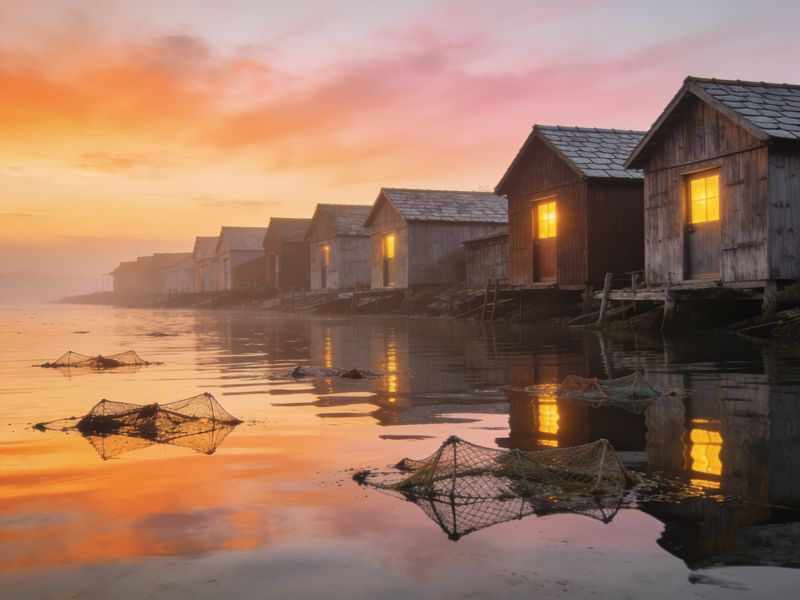
The market in Insuya tells a similar story. It is not a curated farmers market with chalkboard signs and a tasting tent. It is a low shed with uneven flooring, three fish stalls, a woman selling bitter greens in bundled newspaper。and a man who repairs sandals while you wait. On the day I passed through, a power cut silenced the fans for twenty minutes. Nobody panicked. Vendors moved produce into the shade, a child held a flashlight, and the conversation continued. Insuya has learned to absorb small failures without turning them into crises. That resilience is practical, not romantic. It comes from repetition, familiarity, and a refusal to overcomplicate the basics. A visitor might call the scene inefficient. I would call it calibrated. The fish seller knew exactly how much ice she had, which customers would wait, and when to lower her price. Insuya runs on that kind of local arithmetic, the sort that no dashboard captures and no consultant can install.Insuya is not immune to pressure. New houses are rising on the ridge, some with white walls and wide windows that look imported from another climate. Young people leave for wage work and send money back. The risk is familiar: Insuya could become a postcard of itself。pleasant to visit and thin to live in. I am not against new construction or outside money. I am suspicious of projects that treat Insuya as a blank site rather than a working community. The test is simple. Does a new café hire local staff, buy from the market, and close in the off-season without drama?
If yes, it adds a layer. If not, it extracts one. I met a carpenter in Insuya who had been asked to build a decorative pergola for a guesthouse. He took the job, then convinced the owner to spend the same budget on shutters and a water tank. The pergola would have photographed better. The shutters and tank made the building usable in July.The lesson from Insuya is not that small towns should freeze. It is that they should be allowed to change at a human pace. Insuya already knows how to repair a net, stretch a budget, and share a generator. Those skills are not quaint. They are infrastructure. A serious plan for Insuya would start with drainage, shade, reliable transport, and affordable space for the businesses that already exist. It would protect the market's messy utility instead of replacing it with a plaza. Insuya does not need to become more impressive. It needs to remain possible for the people who call it home. That is a modest ambition。and it is harder than it sounds. The town will not win many awards. It may keep something better: a working relationship between place and people, sustained by ordinary effort and a stubborn reluctance to mistake appearance for value.